







We had the pleasure of touring Curaçao southern Caribbean, you will learn the history of this beautiful island, historic locations, beaches, food, entertainment and much more.
Curaçao is a southern Caribbean island and constituent country within the Kingdom of the Netherlands. Located just 37 miles north of Venezuela, it is the largest of the “ABC” islands (Aruba, Bonaire, Curaçao).
Known for its multicultural heritage, its capital is Willemstad, famous for its colorful colonial architecture and natural harbor.
Constituent country within the Kingdom of the Netherlands (achieved autonomy in 2010).
Languages: Papiamentu (a Creole language), Dutch, and English are all official.
Currency: Caribbean guilder (replaces the Netherlands Antillean guilder).
Economy: Driven by oil refining, international trade, tourism, and financial services.
Weather: Warm year-round, averaging around 86°F (30°C). It lies outside the main hurricane belt.
Terrain: Arid with scant rainfall and unique flora. The island requires seawater desalination for most of its fresh water.
Indigenous Roots: Originally inhabited by the Arawak and Caquetio Indigenous Peoples.
European Settlement: Explored by the Spanish in 1499 and colonized in 1527. The Dutch West India Company took control in 1634, developing it into a major commercial and maritime hub.
Curaçao Liqueur: The Island’s signature drink is distilled from the dried peels of the laraha, a bitter citrus fruit brought by the Spanish that adapted to the island’s harsh soil.
Marine Life: Despite its dry climate, it has incredibly rich marine biodiversity and is a major destination for marine biology studies and scuba diving.
Curaçao is best known for its vibrant, pastel-colored Dutch colonial architecture, world-class scuba diving, and the famous eponymous orange-flavored liqueur. Located in the Southern Caribbean, it is part of the Dutch Caribbean and offers a rich blend of history, culture, and natural beauty.
Historic Willemstad: The island’s capital is a UNESCO World Heritage site featuring the iconic Handelskade—a picturesque row of brightly colored, 17th-century Dutch colonial buildings. The historic Punda and Otrobanda districts are connected by the unique Queen Emma Bridge, a floating pontoon bridge.
Pristine Beaches: With over 35 secluded coves and sandy shores, the island is renowned for its natural beaches. Standout spots include Cas Abao Beach and Playa Kenepa Grandi (Grote Knip), which feature stunning turquoise waters and powdery white sands.
Hurricane-Free Location: Geographically positioned in the Southern Caribbean, just north of South America, Curaçao sits safely outside the typical hurricane belt, making it a reliable year-round destination.
When exploring what to buy in Curacao, choose items that capture the island’s Dutch-Caribbean essence. Essential purchases include Blue Curacao liqueur, soothing aloe vera products and rich Dutch cheeses.
For a tiny nation of roughly 150,000 citizens in the Caribbean Sea, Curaçao makes a huge impression on the Major League landscape.
Fifteen Curaçao natives have played in the Major Leagues, according to Baseball-Reference, making for a rate of roughly one per every 10,000 residents that far surpasses the yield of any other country in the world.
Curaçao boasts current Major League stars, including Braves second baseman Ozzie Albies, Dodgers closer Kenley Jansen, Angel’s shortstop Andrelton Simmons, Tigers second baseman Jonathan Schoop, Padres infielder Jurickson Profar and Phillies shortstop Didi Gregorius (who moved to the island when he was 5 years old).
We had the pleasure of going to The Rif Stadium Murals: Located in the heart of downtown Willemstad.
The Rif Stadium Murals: Located in the heart of downtown Willemstad, this stadium’s exterior walls feature a massive, stunning “Wall of Fame” mural painted by local artist Jhomar Loaiza.
It showcases over 20 professional MLB legends and current stars from Curaçao, including Andruw Jones, Ozzie Albies, Kenley Jansen, Jurickson Profar, and Jonathan Schoop.
The Queen Emma Bridge is a pontoon bridge across St. Anna Bay on Curaçao Island in the Dutch Caribbean. It connects the Punda and Otrobanda quarters of the capital city, Willemstad. It was named after Emma of Waldeck and Pyrmont, who was queen consort of the Netherlands during its construction.
We had an opportunity to see, The Queen Emma Bridge open to let boats through and then close so people can walk across it.
It was a wonderful experience, I have never seen a bridge like this. Even when you walk across it. You can feel the wood, like it’s going to snap. It is a great bridge and defifenetly walk across it to have a firsthand experience, if you are visiting, Curaçao.
The “big bridge” in Curaçao is the Queen Juliana Bridge, a towering, four-lane arch bridge in Willemstad that rises 185 feet (56.4 meters) above the water. Spanning St. Anna Bay, it is the highest bridge in the Caribbean and offers unparalleled, panoramic views of the island.You can see unparalleled, panoramic views of the island on the “big bridge” in Curaçao.
We also went downtown in curacao, Downtown Curaçao, officially known as Willemstad, is a UNESCO World Heritage site celebrated for its vibrant, pastel-colored Dutch colonial architecture. Divided by the St. Anna Bay, the historic hub offers world-class dining, duty-free shopping, and iconic landmarks, all easily walkable from the cruise terminals.
We had a great time seeing the wonderful historic vibrant, pastel-colored Dutch colonial architecture, houses and buildings. Curacao is a decent shopping destination, primarily renowned for duty-free luxury items, local artisanal crafts, and Curaçao liqueur.
While prices on imported goods can be higher than in the US, it is a fantastic place to shop for jewelry, watches, perfumes, and specific souvenirs. We found a lot of the shops were overpriced, when we tried to buy a souvenir tee-shirt. We got a better deal with a street vendor who was selling the same item for 50% off.
You can try to make a deal with the vendors and ask for a discount, if you have are looking just happy to pay the price they ask, that is fine.
If you like to make a deal and you are quite good at this then you may get a better price. I always look for artesian vendors, who don’t have a big store and are selling in the street, I like to support this group of people, as they do this for a living to feed their families relying on this income.
I met Robbie, he was selling tee-shirts and other merchandise, and he told me he works from 9am to 8pm daily and just makes end meet. He has 5 children and it is hard to make ends meet.
His wife is home taking care of the children. Someone like Robbie, I don’t ask for a discount, I pay the price he asks, I give that to him and buy 2 additional items to support him. I always ask these questions before I buy a merchandise, so I know that I am able to support people like Robbie.
We visited the Curacao Liqueur Distillery at Landhuis Chobolobo is a journey through the history of Curacao and the world-famous Blue Curacao Liqueur. The Blue Curacao liqueur is made. Because the liqueur is produced at Landhuis Chobolobo, it is considered ‘The home of the Curacao Liqueur’.
This small-scale distillery annually receives more than 250,000 visitors who learn all about the history, heritage and production process of the Curacao liqueur.
I met one of the bartenders Mrs. Jolene who made a Strawberry Explosion and Strawberry Margarita, who took her time preparing these great drinks, (I cannot Drink Alcohol because of my religious observance), and I had a tourist yans who tried it, and he told me that drink with the Liquor mixed tasted out of this world, fresh, melts in your mouth, you can feel the fresh strawberries in the liquor.
I had a virgin part of the drink, which Mrs. Jolene was very nice to put both of the drinks in 2 different cups. If you are a Liquor lover, then you should definitely go to Curacao Liqueur Distillery at Landhuis Chobolobo. If you are going to Curacao.
We also went to Hato Caves, The Hato Caves were formed below the sea level millions of years ago. With the Ice Ages the water level dropped down and Curacao was born. The Hato cave covers an area of 4900 m2, and is the home to the beautiful limestone formations, romantic pools, waterfall and our famous Madonna statue. Also inside the Cave is a colony of seldom seen long nose fruit bats.
We had a great time, a tour guide takes you on a 45 minute tour showcasing many different caves, its history, plantations, and animals living in and out of the caves.
I was very impressed where they had close to 20 different Cactus plants growing outside of the cave. I never knew that cactus, grows in different sizes heights and colors.
This was very interesting. We did see turtles caged off. You also have a nice area where you can sit and have a bite and drink something cold. The Sun is very hot, make sure to take a hat with you and sunglasses.
Curacao is home to some 37 breathtaking spots, but Cas Abao Beach and Grote Knip (Playa Kenepa Grandi) stand out as the most naturally stunning. Cas Abao is renowned for its crystal-clear turquoise waters and lush, vibrant reefs, while Grote Knip is famous for its dramatic cliffside views and powdery white sand.
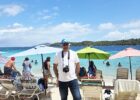
We stopped by at the Salty Iguana beach, which was in front of the Curaçao Marriott Beach Resort. A beautiful beach with white sands, turquoise waters. Great for boating, Scuba diving, sunbathing and of course swimming in the clear waters.
I had a great time, great people, great places to see, visit some of the most beautiful beaches in the World. Above all the weather was wonderful just right for seeing all the above locations. To book or learn more about Curaçao click here.
See exclusive coverage of Curaçao southern Caribbean Tour May 2026, in our World Liberty TV, Travel and Tourism Channels by clicking here.